Key Takeaways
- Commercial projects face stricter NCC Building Code of Australia (Volume One) fire, egress and accessibility provisions.
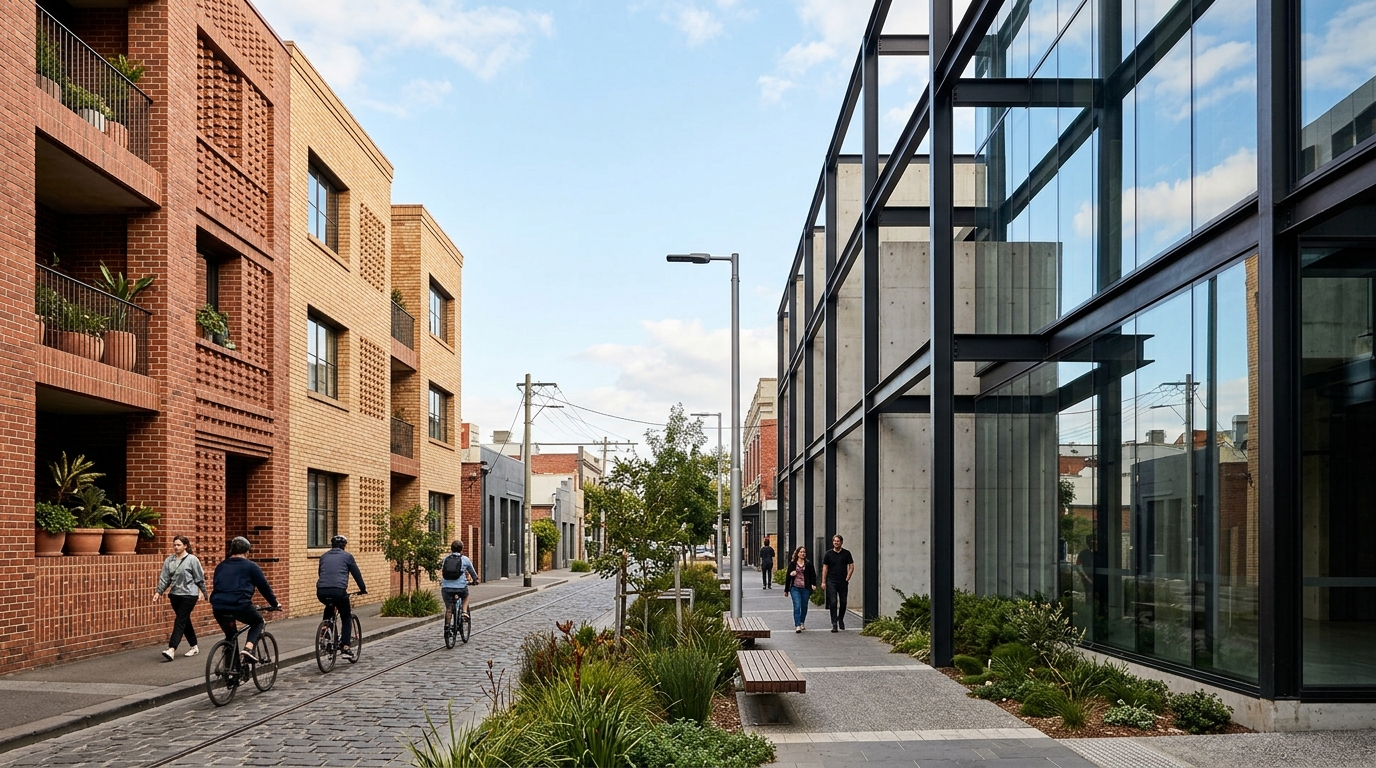
- Materials and structural systems shift from timber/brick veneer toward structural steel, precast concrete and commercial glazing.
- Commercial schedules are tightly anchored to lease commencement, rent-free windows and operational downtime.
Regulatory Codes and Building Classifications
In Australia, detached houses and townhouses (Class 1 and Class 10 buildings) are governed primarily under NCC Volume Two, focusing on structural reliability, weatherproofing, residential energy efficiency and liveability.
Offices (Class 5), shops and hospitality venues (Class 6), warehouses (Class 7b) and factories (Class 8) fall under NCC Volume One. Volume One introduces stringent fire-resistance levels (FRLs), smoke hazard management, emergency egress travel distances and disability access compliance under AS 1428.1.
Structural Systems and Material Selection
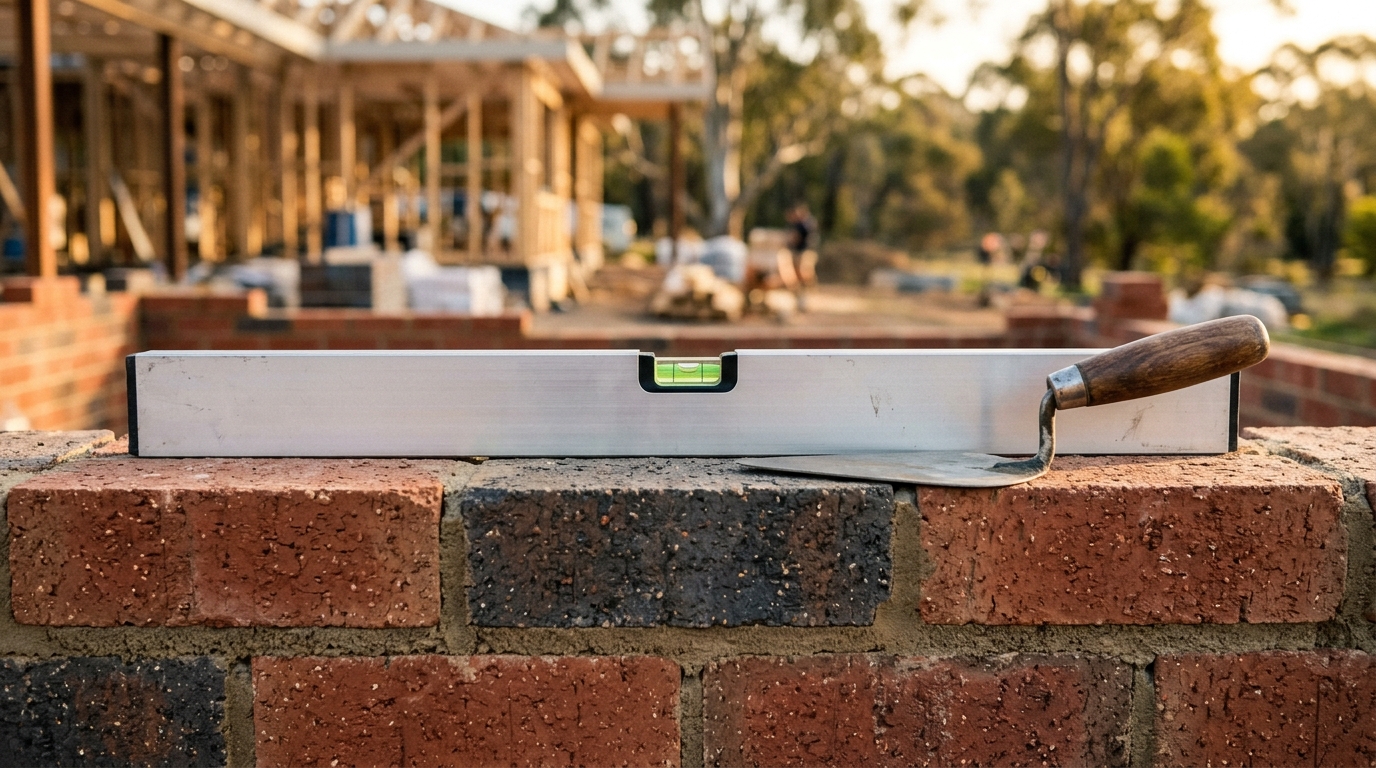
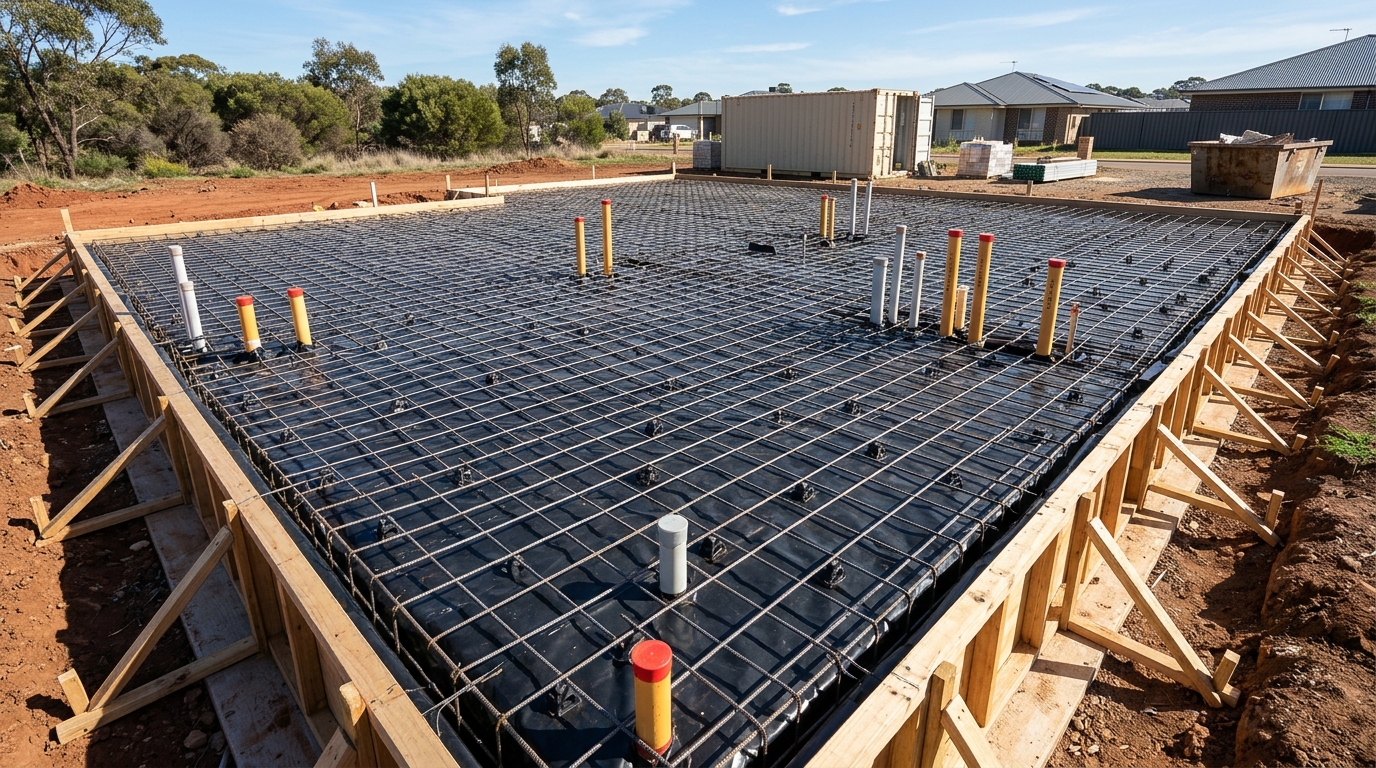
Residential construction frequently combines waffle or raft slabs with timber wall/truss framing, face brickwork, lightweight cladding and domestic plasterboard.
Commercial construction prioritises wide column-free spans, heavy floor loads, acoustic separation and high-traffic durability—relying on structural steel portal frames, core-filled blockwork, tilt-up or precast concrete panels, suspended ceiling grids and commercial-grade aluminium framing.
- Mechanical & electrical: three-phase distribution, commercial HVAC zoning, data racks and emergency exit lighting.
- Fire services: hydrant boosters, hose reels, monitored detection panels, fire dampers and passive fire collars.
- External civil works: heavy-vehicle concrete hardstands, oil/silt interceptors, loading bays and compliant accessible parking.
Programme Drivers and Site Coordination
While homeowners naturally care about move-in dates and temporary rent, commercial clients balance staff wages, equipment finance, landlord handover rules and fixed launch campaigns.
Commercial fit-outs inside operational buildings also require strict after-hours noisy-work windows, dust containment, service isolation permits and daily coordination with facility managers.
Choosing a Builder Fluent in Your Project Type
Whether you are commissioning a custom brick residence, converting an older property into consulting rooms or fitting out a warehouse office, working with a builder experienced across residential, structural and commercial standards ensures the right compliance mindset from the start.